Featured
Table of Contents
Cognitive Set Of Three of Terrible Tension. An integral part of experiencing injury is feeling different from others, whether the injury was a specific or group experience. Stressful experiences commonly feel unique and challenge the need and worth of ordinary tasks of day-to-day live. Survivors frequently think that others will not completely understand their experiences, and they may believe that sharing their sensations, ideas, and reactions connected to the injury will certainly disappoint assumptions.

The kind of injury can determine exactly how a private feels various or thinks that they are various from others. Injuries that generate embarassment will frequently lead survivors to really feel even more estranged from othersbelieving that they are "damaged goods." When individuals think that their experiences are unique and incomprehensible, they are most likely to look for support, if they seek support at all, just with others who have experienced a similar trauma.
A flashback is reexperiencing a previous stressful experience as if it were in fact happening in that minute. It consists of responses that frequently look like the customer's responses during the injury.
Managing Social Anxiety through EMDR Techniques with EMDR therapy
Other times, particular physical states boost a person's vulnerability to reexperiencing a trauma, (e.g., tiredness, high stress levels). Flashbacks can really feel like a quick motion picture scene that intrudes on the client.
If a customer is set off in a session or throughout some element of therapy, assist the customer emphasis on what is happening in the below and now; that is, use grounding strategies., for even more grounding techniques).
Afterward, some customers require to discuss the experience and understand why the flashback or trigger took place. It usually helps for the client to draw a link between the trigger and the distressing event(s). This can be a preventive approach whereby the client can anticipate that an offered scenario places him or her at greater risk for retraumatization and needs use coping strategies, consisting of looking for assistance.
Eye Movement Desensitization and Reprocessing Intensive Sessions: What You Should Anticipate
Dissociation is a mental process that severs connections amongst a person's ideas, memories, sensations, activities, and/or feeling of identity. A lot of us have actually experienced dissociationlosing the capability to recall or track a specific action (e.g., showing up at job yet not bearing in mind the last minutes of the drive). Dissociation happens since the person is engaged in an automated activity and is not taking note of his/her prompt atmosphere.
Dissociation aids distance the experience from the person. People that have experienced severe or developmental trauma may have discovered to separate themselves from distress to make it through.
In non-Western cultures, a feeling of alternate beings within oneself might be analyzed as being occupied by spirits or forefathers (Kirmayer, 1996). Various other experiences connected with dissociation include depersonalizationpsychologically "leaving one's body," as if watching oneself from a distance as an observer or with derealization, resulting in a feeling that what is happening is strange or is not genuine.
Desensitization Methods used in Eye Movement Desensitization and Reprocessing in Calgary, AB
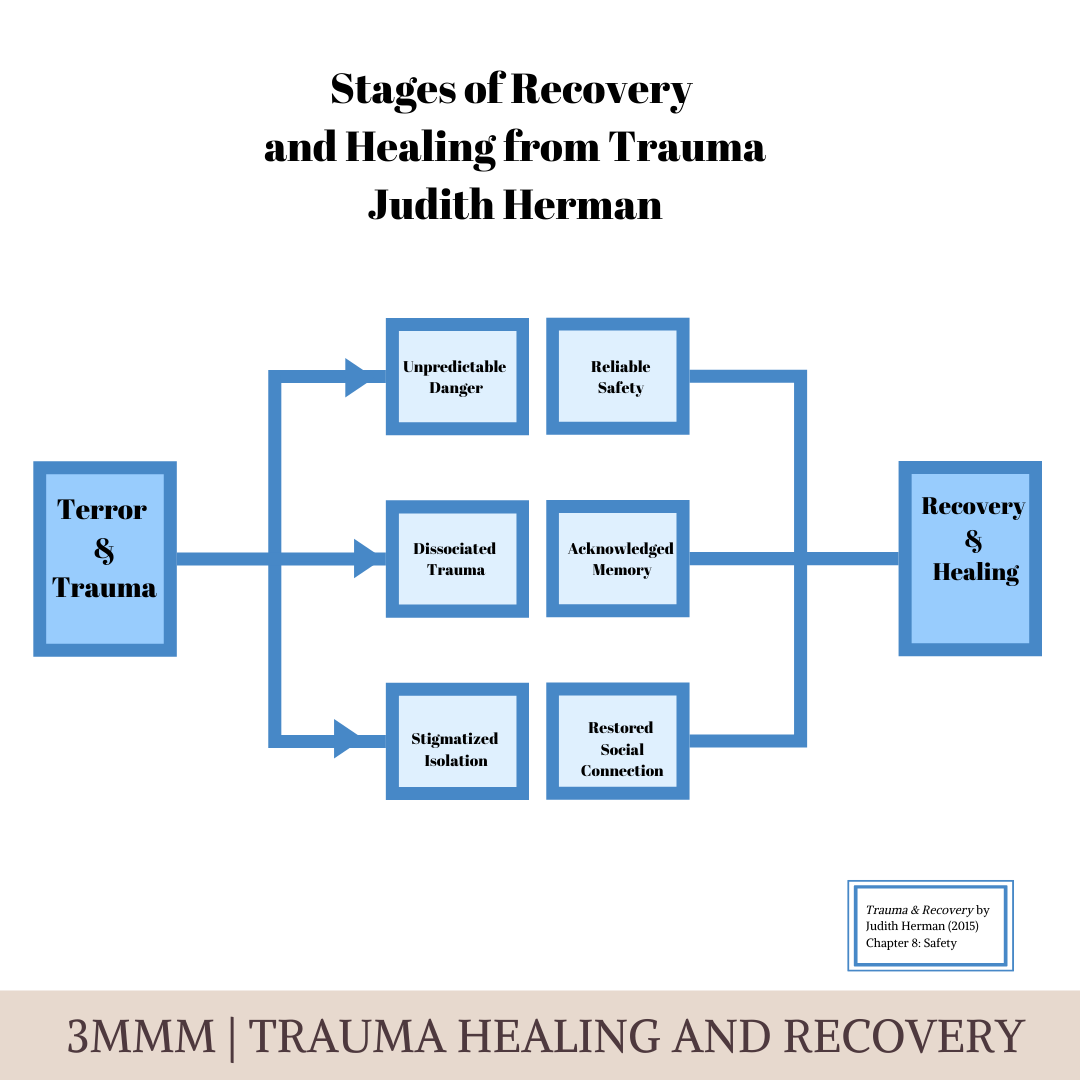
One significant long-lasting consequence of dissociation is the difficulty it triggers in attaching strong emotional or physical responses with an event. Typically, individuals may think that they are going nuts due to the fact that they are not in contact with the nature of their responses. By enlightening customers on the resilient top qualities of dissociation while likewise emphasizing that it avoids them from resolving or validating the injury, individuals can start to recognize the function of dissociation.
Stressful stress reactions vary commonly; often, people involve in habits to take care of the aftereffects, the intensity of emotions, or the traumatic aspects of the distressing experience. Some individuals lower tension or anxiety through avoidant, self-medicating (e.g., alcoholic abuse), compulsive (e.g., overeating), impulsive (e.g., risky behaviors), and/or self-injurious behaviors. Others may try to get control over their experiences by being hostile or subconsciously reenacting aspects of the trauma.
Usually, self-harm is an attempt to deal with emotional or physical distress that appears frustrating or to deal with an extensive feeling of dissociation or being entraped, defenseless, and "damaged" (Herman, 1997; Santa Mina & Gallop, 1998). Self-harm is linked with past youth sexual assault and other kinds of trauma as well as chemical abuse.
Preparing prior to Your First EMDR Therapy Session
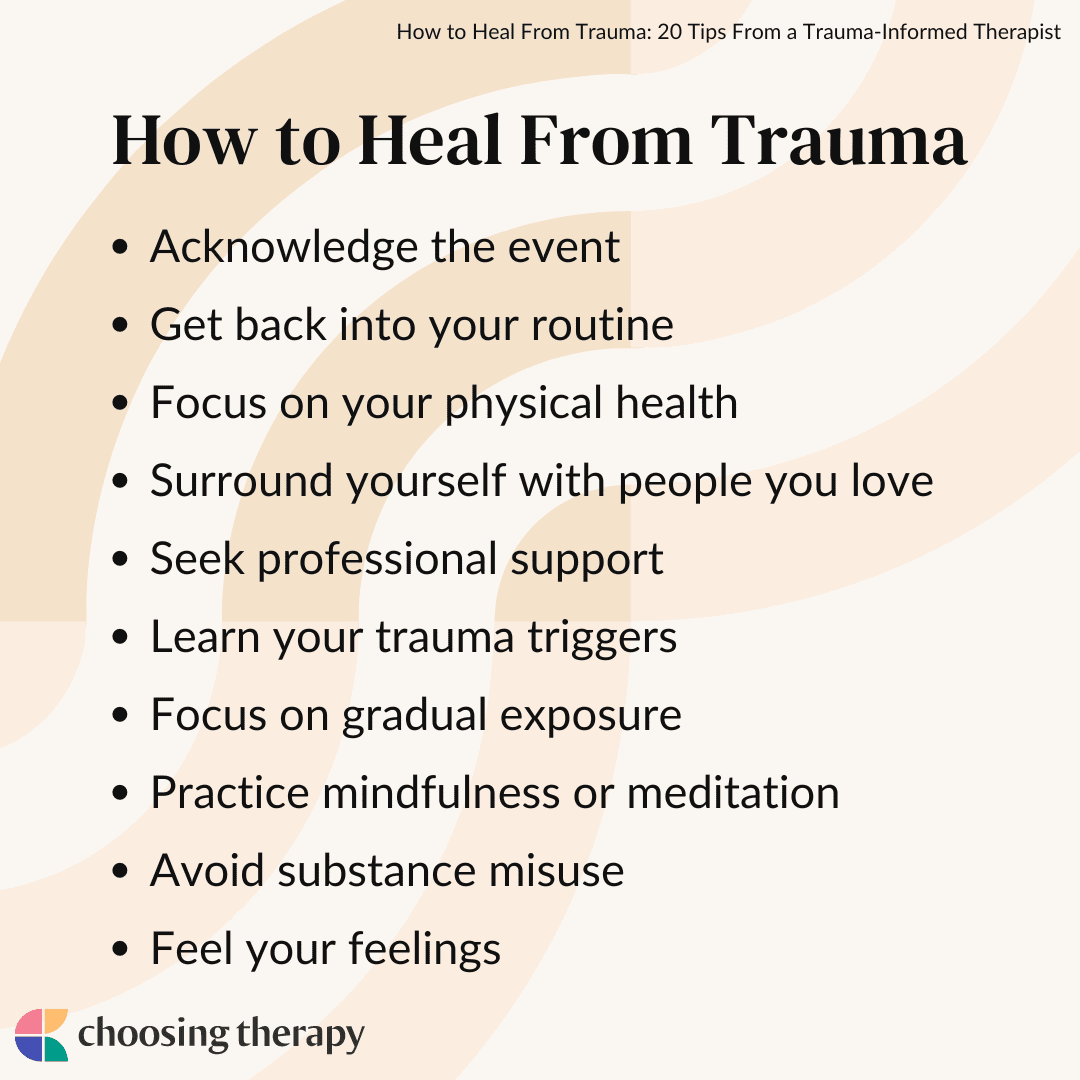
Boosted dedication to a personal objective. Modified concerns. Increased charitable providing and volunteerism. Marco, a 30-year-old man, looked for therapy at a regional mental health facility after a 2-year spell of stress and anxiety signs and symptoms. He was an active member of his church for 12 years, but although he looked for assistance from his pastor about a year back, he reports that he has actually had no contact with his priest or his church since that time.
He explains her as his soul-mate and has had a hard time comprehending her activities or exactly how he can have stopped them. In the preliminary intake, he mentioned that he was the initial individual to locate his better half after the suicide and reported feelings of betrayal, hurt, rage, and destruction considering that her fatality.

Latest Posts
Cultural Heritage Shaping Trauma Recovery in Immigrant Families
Overlapping Disorders in Clinical Practice
How to Explore Relationship Therapy for Personal Growth